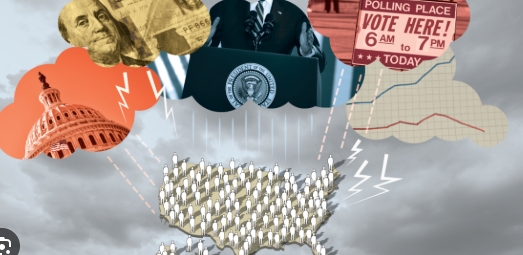
Introduction: The Current Political Landscape
The political landscape in the United States has been characterized by rapid transformations, driven by significant events that have influenced both policy and public perception. As we navigate through the latter part of 2023, understanding the dynamics of US politics is crucial to grasp the ongoing national discourse. Recently, high-stakes elections, pivotal legislative decisions, and unprecedented social movements have emerged as the cornerstone of political dialogue, illuminating the various challenges faced by the American government.
At the forefront of recent developments is the growing divide between the two primary political parties: the Democrats and the Republicans. This polarization has not only shaped the policy debate in the USA but has also impacted the way constituents engage with one another. Notable figures within these parties have taken center stage, promoting divergent viewpoints on issues ranging from healthcare to immigration, thereby defining the ideological boundaries of contemporary debate.
Moreover, the landscape is further complicated by the influence of the media and public opinion, culminating in a potent blend that dictates Washington news. Social media platforms, in particular, have become battlegrounds for discourse, shaping narratives and rallying support for various causes. This evolution in communication reflects a fundamental shift in how political information is disseminated and has intensified the competition for voter engagement.
As the American electorate prepares for forthcoming elections, the stakes continue to rise, prompting intensified discussions around fundamental issues that resonate with citizens across the nation. The interplay of these elements highlights the complexity of the current political climate, underscoring the importance of engaging with the evolving landscape to comprehend the direction in which the United States is heading.
Major Policy Debates: Analyzing Key Issues
The current landscape of U.S. politics is marked by a series of complex policy debates that significantly influence the functioning of the American government. Chief among these discussions are the issues of healthcare reform, climate policies, immigration, and tax reforms.
Healthcare reform continues to be a contentious issue within the American political arena. Proponents of universal healthcare argue that it promotes equity and access to medical services for all citizens, thereby improving public health outcomes. Conversely, opponents cite concerns regarding government overreach and potential increases in taxes, arguing that a free-market approach encourages competition and innovation in healthcare services.
Climate policies also represent a focal point of policy debate in the United States. Advocates for stronger environmental regulation emphasize the urgency of addressing climate change through reduced carbon emissions and investment in renewable energy sources. Detractors, however, frequently raise concerns about the economic implications of stringent regulations, suggesting that such policies could dampen economic growth and lead to job losses within traditional energy sectors.
Immigration policy remains a vital topic in the fabric of U.S. politics, with heated discussions surrounding border control, the status of undocumented immigrants, and pathways to citizenship. Supporters of comprehensive immigration reform argue that it is essential for bolstering the economy and addressing labor shortages. In contrast, opponents often advocate for stricter immigration enforcement, citing security issues and the need to prioritize American citizens’ job opportunities.
Finally, tax reforms represent an ongoing policy debate, with differing perspectives on how tax structures can stimulate growth and address income inequality. Proponents of tax cuts argue that they incentivize businesses to invest and expand, while critics contend that such cuts disproportionately benefit the wealthy, exacerbating economic disparities.
Overall, these key issues highlight the complexities surrounding major policy debates in the United States. Understanding the varying perspectives helps clarify the intricate nature of American government discussions and their implications for future legislative actions.
Government Decisions: Recent Legislative Actions
In the realm of US politics, recent decisions made by Congress and the executive branch have sparked considerable discussion and analysis. Over the past few months, various key laws have been passed, reflecting the priorities and strategic direction of the current administration. One notable legislative action includes the recent infrastructure bill, which aims to address critical issues in transportation, broadband, and public services. This legislation is historic in its scale and is intended to bolster the economy and create jobs across the nation.
The executive branch has also played a significant role in shaping policy through a series of executive orders. These orders often serve as immediate responses to pressing issues, such as climate change, healthcare access, and economic recovery efforts amidst ongoing global challenges. For instance, an executive order aimed at reducing carbon emissions has been prioritized, signaling the administration’s commitment to environmental policies and sustainable economic practices.
Moreover, significant budgetary decisions have also emerged from recent sessions of Congress. This includes allocations for health and education, which are under scrutiny in policy debates across the USA. These budgetary choices demonstrate how legislative bodies aim to address crucial social issues while also reflecting wider economic goals. Such actions have garnered mixed reactions from various stakeholders in Washington news, influencing public opinion and political discourse nationally.
Overall, recent governmental actions indicate a robust approach to tackling complex challenges within the current political landscape. Both Congress and the executive branch are working under significant scrutiny and pressure to align their policies with the needs of their constituents. Understanding these legislative actions allows for a clearer perspective on the ongoing developments in American government and their implications for future policy debates.
Reactions from Political Leaders: A Voices Perspective
The political landscape in the United States is marked by a variety of opinions, particularly when it comes to recent developments within US politics. In light of ongoing debates surrounding proposed policies, leaders from both major political parties have voiced their perspectives, reflecting the deeply entrenched divisions evident in American government.
For instance, Speaker of the House Nancy Pelosi articulated her support for new legislation aimed at expanding healthcare access, asserting, “We must ensure that every American has the opportunity to receive quality medical care.” This statement underscores a fundamental approach by the Democratic Party towards universal healthcare and aligns with their broader agenda that emphasizes social welfare and equitable access to services.
Conversely, Senate Minority Leader Mitch McConnell expressed strong opposition to the same proposal, stating, “The American people deserve better than to be burdened by excessive government overreach.” This dissent highlights a core principle of the Republican Party, which often advocates for limited government intervention and prioritizes fiscal responsibility. Such sentiments are indicative of the ongoing policy debates in the USA that continuously shape the narrative within Washington news.
Furthermore, both parties have mobilized their bases in reaction to external events impacting national policy. For example, following economic indicators that suggest increased inflation rates, reactions from political leaders reflect an urgent call for action. Senator Elizabeth Warren proposed a wealth tax, arguing that “Those who have benefitted the most from our system should contribute a fair share to help tackle the economic challenges facing our nation.” In contrast, influential figures in the GOP emphasize market-driven solutions, underscoring their commitment to capitalism amidst economic turbulence.
As these contrasting viewpoints illustrate, the dialogue surrounding recent political developments in the United States is fraught with disagreement, demonstrating the complexity of modern US politics. The ongoing discourse is vital for understanding the shifting dynamics within the framework of American governance and policy-making.
Public Sentiment: What Americans Are Saying
Public sentiment plays a crucial role in shaping the landscape of US politics and the functioning of the American government. Recent polls and surveys conducted across the country reveal a tapestry of opinions regarding ongoing policy debates, highlighting the diverse perspectives of citizens on various issues. As the political climate continues to evolve, understanding these sentiments helps to grasp the public’s stance towards government actions and proposed policies.
One striking finding from recent surveys indicates that a significant portion of the American populace expresses concern over the handling of key issues, such as healthcare, climate change, and economic inequality. Respondents from various demographic backgrounds emphasized the need for effective solutions and comprehensive policies that address these pressing challenges. This sentiment underscores the importance of policymakers engaging in substantive discussions and being responsive to the needs of their constituents.
Moreover, in light of the recent developments in Washington news, many Americans have expressed skepticism regarding the motives behind certain legislative proposals. Polls show a growing apprehension about transparency and accountability in government actions, particularly in relation to campaign promises and the impact of lobbying on policy outcomes. This sentiment reflects an increasing demand for a more participatory approach to governance, where citizens feel their voices are genuinely heard and considered in the decision-making process.
Furthermore, the landscape of opinion is not static; it shifts based on current events and social movements. As debates on social justice, immigration, and taxation heat up, public opinion tends to fluctuate, showcasing the dynamic nature of American political discourse. By continually monitoring these developments and sentiments, we can better understand the underlying currents shaping public opinion and its implications for future policy debates in the USA.
Background Context: Historical Perspectives
Understanding the current political developments in the United States requires a thorough examination of its historical context. The evolution of American government can be traced back to the founding principles laid out in the Constitution, which set the stage for the nation’s dynamic political framework. From the establishment of the two-party system in the early 19th century to the progressive reforms of the late 19th and early 20th centuries, each era has shaped the ongoing policy debate in the USA.
A significant influence on contemporary politics can be traced to landmark events such as the Civil Rights Movement and the Watergate Scandal. These instances not only forged public opinion but also instigated fundamental changes in how the government operates and interacts with its citizens. The repercussions of these events are still felt today, influencing discussions around governance, civil rights, and transparency within the American government.
Moreover, recent administrations have responded to crises with varied approaches, each contributing uniquely to the narrative of US politics. For example, the responses to the 2008 financial crisis and the COVID-19 pandemic reflect differing ideologies about government intervention and economic recovery strategies. These historical moments underscore the importance of previous policies and their lasting effects on debates surrounding economic recovery and public health.
The trajectories set by former leaders continue to inform current administrations, as party platforms evolve in response to societal demands and shifting demographics. Issues such as healthcare reform, immigration policy, and climate change illustrate how historical precedents shape contemporary discourse in Washington news and inform the public’s expectations of their leaders. By analyzing these historical perspectives, it becomes evident that the past is critical in understanding present discussions in US politics.
Impact on American Citizens: Direct Effects of Policy Changes
The political landscape in the United States is constantly evolving, with recent developments leading to significant impacts on the daily lives of American citizens. The decisions made in Washington are not merely abstract policy debates; rather, they translate into real-world implications that affect the benefits individuals receive, taxation, and the broader social safety net.
For instance, changes in social welfare programs directly affect working-class families, many of whom rely on government assistance for fundamental needs such as healthcare, housing, and education. Recent policy initiatives aimed at altering these benefits can create a sense of uncertainty for millions. When benefits are reduced or modified, families may find themselves struggling to maintain their standard of living. This situation is particularly concerning given the already precarious economic conditions faced by many households across the nation.
Minority groups often feel the brunt of these political changes more acutely, as the intersectionality of race, income, and access to resources can compound the negative effects of shifting policies. For example, potential moves to reform healthcare could disproportionately impact communities that already experience systemic inequalities, leading to health disparities and diminished access to essential services. Such realities underline the importance of inclusive policy-making that considers the nuances of diverse populations.
The elderly demographic is also significantly affected by political shifts, particularly regarding issues such as Social Security and Medicare. As discussions around these programs evolve, concerns arise about the ability of retirees to sustain their livelihoods. Ensuring that elderly citizens receive appropriate support is paramount, as neglecting these obligations could lead to widespread hardship.
In summation, the recent political developments within the framework of US politics illustrate a profound connection to the daily lives of American citizens. Navigating the complexities of policy about taxation, benefits, and the implications for various demographic segments is essential to understanding how these debates shape the nation’s social fabric.
International Relations: Global Impact of Domestic Politics
The interplay between U.S. politics and international relations has grown increasingly complex, particularly in light of recent policy debates and decisions made by the American government. As the United States continues to navigate its political landscape, its domestic policies increasingly reverberate across global platforms, influencing trade agreements and shaping diplomatic relations. These dynamics highlight the significant impact that U.S. politics has on global stability and commerce.
One pressing area of concern in the realm of international relations is trade. As the U.S. government engages in policy debates surrounding tariffs, trade agreements, and economic sanctions, the global economy feels the ripple effects. For instance, recent adjustments in trade policy have influenced relationships with major trading partners, creating a cascading effect that reshapes regional alliances and competition. Countries that previously enjoyed favorable trade conditions may find themselves reevaluating their strategies as the U.S. shifts its priorities to protect its economic interests.
Moreover, U.S. domestic politics play a crucial role in shaping diplomatic relations. The decisions that flow from Washington news regarding foreign aid allocation, military alliances, and international treaties can either foster collaboration or exacerbate tensions on the world stage. As the political environment evolves, so does the approach to international partnerships, leading some nations to seek new alliances while others reconsider their positions based on perceived reliability of U.S. commitments.
Ultimately, the outcomes of policy debates in the U.S. have profound implications for global dynamics. The pathways that the American government charts regarding international cooperation or isolation can have lasting effects on peace and stability around the world. Understanding the global impact of these domestic political decisions is essential as nations strive to navigate an increasingly interconnected and unpredictable geopolitical landscape.
Conclusion: Looking Ahead at Future Developments
The landscape of U.S. politics is continually evolving, influenced by a myriad of factors including public opinion, economic conditions, and international events. Recent political developments indicate a shift in the priorities and strategies of the American government, as policymakers grapple with pressing issues that affect the daily lives of citizens. As we look ahead, it is vital to consider how these recent events may set the stage for future policy debates in the USA.
One prominent trend is the increasing polarization among the electorate, which complicates the task of governance and decision-making. This polarization has become evident in various recent Washington news reports, highlighting the demographic and ideological divides that impact legislative agendas. The ramifications of this division could manifest in upcoming elections, where candidates may adopt more extreme positions to galvanize their base, potentially leading to further gridlock in congress.
Additionally, emerging themes like climate change, healthcare reform, and economic inequality are rising to the forefront of the political agenda. Current policies designed to address these issues may have far-reaching effects on future governance and the political landscape in the United States. As such, it is prudent to analyze how these discussions unfold in the coming months, particularly in light of the midterm elections and other significant political events.
Ultimately, engagement with the public and responsiveness to their needs will play a critical role in shaping the narrative of U.S. politics. How lawmakers respond to these ongoing challenges and what strategies they adopt will undoubtedly influence not only the immediate future but also the longer-term trajectory of the American government. By understanding these dynamics, stakeholders can better prepare for the evolving policy debates that lie ahead.