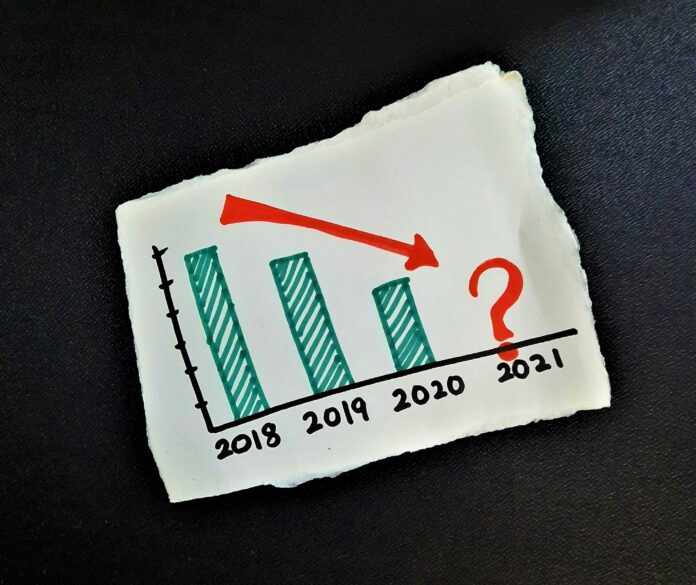
Introduction: A Snapshot of the Current Economic Landscape
The economy of the United States has been experiencing a phase of considerable dynamism characterized by notable trends that significantly impact American business news and commerce. Understanding these economic currents is more important than ever, especially for business leaders and consumers alike who must navigate this rapidly altering environment. Noteworthy themes shaping the current economic landscape include inflation, which has affected purchasing power and consumer behavior, job growth, and fluctuations in consumer spending.
Inflation rates have risen in recent years, leading to increased costs for goods and services. This uptick has important implications for business growth in the USA, as companies strive to adapt their pricing strategies and operational models to maintain profitability. Observing how inflation interacts with key factors such as interest rates and government policies is essential for grasping its full impact on the US economy.
On the employment front, job growth has shown resilience, with many industries continuing to recruit to meet escalating demands. This trend positively influences consumer spending, as higher employment levels often lead to increased disposable income. The robust job market has a ripple effect on the economy, fueling consumer confidence and encouraging spending across various sectors.
Moreover, evolving consumer preferences and spending habits, shaped by the digital age and the post-pandemic recovery, call for businesses to be agile and responsive to market trends. Companies are leveraging data analytics and technology to align their offerings with consumer expectations, further influencing the overall business landscape.
As we delve deeper into these themes, it is crucial to remain informed about the latest US market trends that will undoubtedly shape the future landscape of American business. By analyzing current economic indicators and emerging patterns, stakeholders can make informed decisions that optimize opportunities for growth and sustainability in the economy of the United States.
Market Movements: The Ups and Downs of Major Companies
The dynamics of the US economy are significantly influenced by the performance of large corporations, which serve as barometers for overall economic health. Recently, we have observed notable fluctuations in stock performance among key players, illuminating trends that resonate across the broader market landscape. Companies such as Apple, Amazon, and Tesla have experienced varying stock trajectories, shaped by both internal company strategies and external market conditions.
For instance, Apple reported a modest increase in revenue despite headwinds such as global supply chain issues. This has raised investor confidence, which is reflected in its stock price. Conversely, Amazon has faced challenges a result of economic shifts, with its stock experiencing volatility. These movements not only highlight the operational adjustments these corporations are making but also reflect the sentiments surrounding the economy United States at large.
Moreover, the recent trends in mergers and acquisitions highlight strategic ambitions within the market. For example, the merger between two significant tech firms not only signifies business growth in the tech sector but also serves to consolidate market power amidst fierce competition. Analysts suggest that such developments can positively impact the US market trends by promoting innovation and efficiency.
Investors and stakeholders must closely watch these corporate movements, as they serve as vital indicators of where the US economy is headed. Given the implications for business growth in the USA, understanding these trends among major companies aids in grasping the broader economic currents and prepares stakeholders for navigating future changes.
Job Growth: An Overview of Employment Trends
The US economy has been witnessing significant shifts in job growth patterns, which are critical in understanding current employment trends. According to the latest statistics, the employment rate has shown substantial recovery since the recent downturn. Most significantly, industries such as technology, healthcare, and renewable energy have emerged as the leading sectors driving job creation. This trend indicates a shift in demand for skill sets, particularly in innovative sectors that support the economy of the United States.
The technology sector, in particular, has posted remarkable growth, contributing heavily to the overall job market expansion. Businesses are actively hiring professionals with expertise in artificial intelligence, cybersecurity, and software development to advance their operations. The ongoing digital transformation is fostering this growth, providing a plethora of opportunities for skilled labor. Conversely, sectors like retail and hospitality are also recovering, but they face challenges related to wage inflation and labor shortages. This juxtaposition is reflective of the changing dynamics of employment in the economy united states.
Moreover, the implications of these trends suggest a heightened competitiveness for skilled workers. As American business news indicates, there is a growing urgency among companies to offer attractive compensation packages to retain talent amidst rising wage demands. Workers are becoming more selective in choosing employment opportunities, seeking positions that offer not just competitive pay but also job security and opportunities for professional growth.
Furthermore, with such a landscape, the labor market is transforming, requiring both employers and employees to adapt rapidly. As the landscape continues to evolve, understanding these employment trends is crucial for navigating the US market trends effectively. The emphasis on skilled labor underscores the need for educational and training programs to address these shortages and cater to the ongoing demand, ultimately shaping the future of business growth in the USA.
Inflation Trends: Analyzing Causes and Effects
Inflation remains a critical concern in the discussion of the economy in the United States as recent reports indicate fluctuating rates that directly impact American businesses and consumers alike. As of now, the inflation rate has experienced notable increases, causing many to scrutinize the underlying drivers. Various factors contribute to this upward trend, including supply chain disruptions, escalating energy prices, and increasing consumer demand following the pandemic era. These factors collectively influence the stability and resilience of the economy United States.
Understanding the ramifications of inflation is vital for both businesses and consumers. For businesses, rising costs can lead to tighter margins, forcing tough decisions regarding pricing strategies, labor costs, and supply chain management. Many companies may opt to pass these costs onto consumers, which perpetuates a cycle of demand-pull inflation. Consumers, on the other hand, face diminishing purchasing power as their wages may not keep pace with rising prices, leading to altering consumption patterns and a shift in economic behavior.
The Federal Reserve plays a significant role in addressing inflationary pressures, often by adjusting interest rates to either stimulate economic growth or cool down an overheating economy. Recently, the Fed has indicated a cautious approach to managing inflation, weighing its decisions on current US market trends and business growth dynamics. Historical context also supports the understanding of inflationary responses, as past recessions were often influenced by similar economic conditions. By examining these patterns, it becomes clear that effectively navigating inflation is crucial for fostering sustainable growth in both the US economy and American businesses alike.
Consumer Spending: Shifts in Buying Behavior
In recent months, the landscape of consumer spending in the United States has undergone significant transformation, primarily influenced by the aftermath of the pandemic. As citizens adapt to new economic realities, shifts in buying behavior are becoming increasingly evident. A prominent concern affecting consumer habits has been price sensitivity, which has heightened as inflationary pressures have made everyday necessities more expensive. Consequently, consumers are navigating the economy united states with greater caution, recalibrating their purchasing choices to align with their financial circumstances.
Moreover, supply chain disruptions have further compounded these challenges, leading to shortages across various sectors. This unpredictability has created hesitance among consumers, impacting their confidence levels and, by extension, their spending patterns. For instance, many have shifted their focus towards essential goods and services, demonstrating a trend that favors practicality over luxury or non-essentials. Businesses are responding to these adjustments in the market by adapting their strategies, often emphasizing the availability and value of products to cater to the evolving needs of consumers.
Amid these shifts, certain sectors have demonstrated remarkable resilience and even growth. Notably, e-commerce has emerged as a key driver in the current economy, reflecting a swift adaptation to the digital marketplace. As more consumers turn to online platforms for their shopping needs, many businesses have seized the opportunity to enhance their online presence and streamline their operations for greater efficiency. This trend not only aligns with the changing consumer preferences but also underscores the broader evolution of the us market trends in response to contemporary challenges. Ultimately, these developments signify a pivotal moment in american business news, pointing toward ongoing changes that will likely shape future business growth in the USA.
Impact of Economic Changes on Businesses
The recent fluctuations in the US economy have had a profound effect on businesses of various sizes. As inflation continues to impact the economy in the United States, many organizations are experiencing operational challenges that necessitate strategic pivots. The increase in costs for raw materials and disrupted supply chains has forced businesses to rethink their pricing strategies and budget allocations.
Moreover, labor shortages have emerged as a critical issue across numerous industries. Many employers are struggling to attract and retain talent despite offering competitive wages and incentives. This labor market tightness results in increased workloads for existing employees, which can affect productivity and workplace morale. In light of these challenges, companies are adopting innovative solutions, such as investing in automation and technology to enhance efficiency and offset the impacts of a constrained labor pool.
A notable example of resilience in the face of these economic conditions is the response of small businesses. Many have pivoted towards e-commerce platforms to reach wider audiences and mitigate losses from reduced foot traffic. For instance, food service businesses have implemented robust delivery systems to maintain customer engagement, while retail shops have focused on creating attractive online storefronts. These adaptations highlight the need for flexibility and innovation in the current US market trends.
In conclusion, the ability of American businesses to navigate changing economic conditions will largely determine their trajectory for growth. Organizations that can effectively adapt to inflationary pressures, labor shortages, and shifts toward digital solutions will be better positioned to achieve sustainable business growth in the future. Monitoring the evolving landscape of the US economy will be essential for understanding and responding to ongoing challenges.
Effects on Everyday Americans: Cost of Living Concerns
The landscape of the economy in the United States has undergone significant shifts, impacting various facets of daily life for everyday Americans. With the ongoing trends often highlighted in American business news, it becomes increasingly evident that rising costs in numerous essential sectors are placing a heavy burden on many households. From soaring rent prices to escalating grocery bills, the cost of living has become a primary concern.
Many families are feeling the squeeze as inflation rates have surged, leading to affordability challenges that were once scarce in many regions. As an example, a single mother of two from Ohio recently shared how the price of basic necessities has led her to alter her shopping habits drastically. “I never thought I would have to choose between my children’s needs and paying the bills, but that’s where I find myself today,” she lamented. Such testimonies underscore the tangible impact of the economy in the United States on individuals and families.
Additionally, changes in consumer confidence, a critical indicator of economic health, have been notable in recent months. With ongoing adjustments to the U.S. market trends, many Americans express uncertainty about their financial futures. Reports indicate that consumers are becoming more cautious about spending, as they grapple with the harsh realities of their financial situations. A recent survey revealed that around 60% of participants feel that their income is not keeping pace with rising costs, contributing to a sentiment of economic stress.
The realities of business growth in the USA suggest that while some sectors may be flourishing, many individuals remain caught between economic opportunity and personal financial challenges. As businesses adapt to these shifting trends, addressing the affordability crisis must be a priority to help restore some sense of balance in the economy united states. The perspectives of ordinary citizens play a crucial role in understanding the broader implications of economic trends on daily lives.
Looking Ahead: Future Economic Projections
The landscape of the US economy is continually evolving, necessitating keen attention to emerging trends and forecasts. As businesses navigate the complex currents of economic fluctuations, it is essential to examine predictions regarding recovery paths, job growth, and consumer behavior that may influence the journey ahead.
Experts predict a gradual recovery for the economy of the United States, although many variables will shape the speed and sustainability of this growth. Factors such as inflation, interest rates, and global supply chain disruptions will play significant roles in determining future trends. In particular, the resilience of the US market will depend heavily on how effectively businesses adapt to these challenges and leverage technological advancements to enhance operational efficiency.
Job growth remains a pivotal aspect of economic recovery. Analysts anticipate a steady increase in employment opportunities, particularly in sectors that are adjusting to remote operations and changing consumer preferences. The ongoing shift toward digital transformation has signaled a demand for skilled workers, potentially transforming the employment landscape and fostering business growth in the USA.
Furthermore, consumer spending is likely to be influenced by evolving confidence levels as the population adjusts to the post-pandemic environment. As customers resume pre-pandemic spending habits while navigating new economic realities, businesses must be agile in responding to shifts in demand, ensuring their offerings align with the expectations of their target audiences.
In conclusion, the future economic projections for the United States indicate a multifaceted landscape that warrants careful analysis and strategic planning from stakeholders across all sectors. Embracing these economic trends will be crucial for American businesses aiming for sustainable growth amid ongoing changes in the marketplace.
Conclusion: Summarizing the Economic Outlook
In reviewing the current state of the US economy, it is evident that American businesses are navigating a complex landscape influenced by various factors, including changes in consumer behavior, government policy, and global market dynamics. The key observations indicate that understanding US market trends is crucial for businesses and consumers alike, as these trends directly contribute to business growth in the USA.
The economic environment of the economy of the United States is characterized by both challenges and opportunities. As the needs and preferences of consumers evolve, businesses must adapt accordingly to thrive. Several sectors are experiencing significant growth, while others may face uncertainties. It is essential to monitor American business news to stay informed about these changes, as they often provide key insights into where the economy is headed.
As we move forward, remaining vigilant about emerging US market trends will be a determinant factor in the success of businesses, as well as the financial well-being of consumers. Businesses that actively engage with these trends are better positioned to implement strategic changes that can lead to sustainable business growth in the USA. Additionally, consumers also play a vital role by adapting their purchasing decisions based on economic indicators and available market options.
Ultimately, keeping abreast of the intricacies of the economic landscape will not only empower businesses to make informed decisions but will also enable consumers to better navigate their personal financial landscapes. As we anticipate future developments, it becomes increasingly important to consider how each stakeholder can effectively adapt to the ongoing changes in the economy of the United States.