Introduction to Climate Change and Its Importance
Climate change has emerged as one of the most pressing issues of our time, significantly impacting environmental, economic, and social systems globally. In the United States, discussions around climate change have intensified over the past few decades, particularly as extreme weather events become more frequent and severe. This phenomenon, characterized by shifts in global or regional climate patterns, poses critical challenges that call for immediate and structured responses through effective us environmental policy.
The relevance of climate change in today’s discourse cannot be overstated. As scientific evidence grows regarding the changing climate and its links to human activity, it highlights the urgent need for strategies focusing on sustainability USA. The U.S. has made various commitments to mitigate the effects of climate change, emphasizing clean energy America and reducing greenhouse gas emissions. However, the complex political landscape often influences the pace and effectiveness of these initiatives.
Recent developments in the U.S. regarding climate change underscore its escalating importance. Efforts to invest in renewable energy sources, improve energy efficiency, and promote sustainable practices have been recognized as essential components of a comprehensive strategy. Moreover, these measures not only aim to combat climate change but also to foster a resilient economic framework that can withstand the impacts of extreme weather in the United States.
As we explore the recent advancements and policies related to climate change, it is crucial to recognize the intertwined relationship between environmental challenges and human welfare. Building on this foundation, the subsequent sections will delve deeper into specific policies, programs, and initiatives, endeavoring to highlight the ongoing efforts aimed at ensuring a sustainable future for the United States and the world.
Extreme Weather Events: The New Normal
The United States has witnessed a troubling trend in recent years, marked by an increasing frequency and intensity of extreme weather events. From devastating hurricanes and relentless droughts to raging wildfires, these occurrences are becoming more commonplace, raising urgent concerns regarding their links to climate change.
According to the National Oceanic and Atmospheric Administration (NOAA), the number of weather-related disasters in the U.S. has surged over the past few decades. The statistics paint a stark picture—between 1980 and 2020, the nation experienced approximately 286 weather events that caused more than $1 billion in damages each. Comparatively, only 91 such events were recorded in the years leading up to 1980. This rise not only underscores the heightened vulnerability of communities but also signifies the escalating challenges posed by climate change.
Extreme weather events have profound impacts on both human populations and natural ecosystems. Each hurricane season brings with it catastrophic storms, as witnessed with Hurricane Harvey in 2017, which resulted in unprecedented flooding in Houston, displacing thousands. Droughts, too, have become a haunting reality, particularly in the Western U.S., where water shortages have wreaked havoc on agricultural activities and contributed to an ongoing water crisis. Wildfires, especially in regions like California, have become a recurrent nightmare, resulting in loss of life, wildlife habitats, and property.
The correlation between climate change and the increasing severity of these extreme weather events is evident. Changes in global temperatures lead to alterations in weather patterns, thereby exacerbating conditions that fuel severe hurricanes, severe droughts, and rampant wildfires. As the United States strives toward implementing effective environmental policy and transitioning to clean energy, it becomes imperative to acknowledge and adapt to this new normal. Emphasizing sustainability, the country must prioritize strategies to mitigate the impacts of climate change, fostering resilience in both communities and ecosystems.
The Push for Clean Energy Initiatives
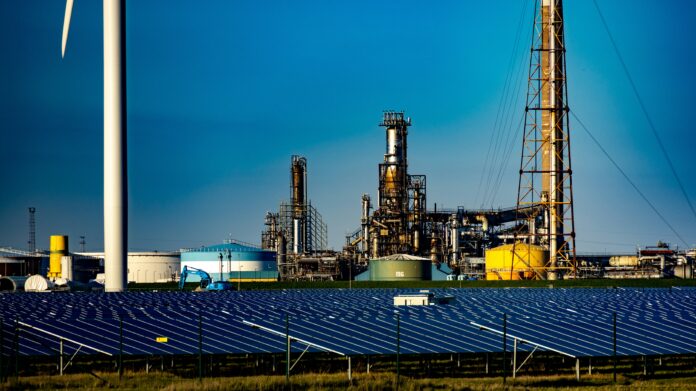
The United States is experiencing a significant shift towards clean energy, driven by various initiatives at both federal and state levels aimed at combating climate change. This transition is crucial for addressing the increasing occurrences of extreme weather events across the country, which have been linked to climate change. Federal policies, including the recently enacted Inflation Reduction Act, play a pivotal role in promoting renewable energy and sustainability initiatives. US environmental policy has increasingly focused on reducing greenhouse gas emissions and transitioning to renewable resources such as solar, wind, and hydropower.
At the state level, initiatives vary widely, with some states implementing aggressive renewable energy goals and programs to support clean technology development. For instance, California’s initiative to achieve 100% clean energy by 2045 exemplifies a proactive approach to clean energy in America. Many states are also investing in innovative projects that aim to enhance energy efficiency and utilize local resources effectively. These projects not only aim to meet future energy demands but also to foster economic growth by creating jobs in the renewable energy sector.
Furthermore, numerous partnerships between government entities and private companies have emerged, promoting the adoption of clean technologies and infrastructure. These cooperative efforts are crucial for encouraging investments in clean energy, which is essential for a sustainable future. Research and expert insights indicate that transitioning to clean energy sources is not only feasible but also economically advantageous, providing both environmental benefits and enhancing energy security. As the U.S. continues to grapple with the impacts of climate change, the drive for clean energy initiatives remains a fundamental component of comprehensive environmental policy, ensuring a sustainable and resilient future for the country.
Government Climate Policies: Overview and Implications
The government of the United States has implemented a variety of climate policies aimed at addressing the pressing issue of climate change. These policies are designed to mitigate the effects of extreme weather events, which are increasingly prevalent across the nation, and to promote the transition towards clean energy in America. The administration’s current focus is on reducing greenhouse gas emissions, enhancing energy efficiency, and encouraging the development of sustainable practices.
One of the major components of U.S. environmental policy is the commitment to international agreements, such as the Paris Agreement. This commitment underscores the necessity of aligning national strategies with global efforts to combat climate change. The U.S. has set ambitious goals to curb emissions and increase reliance on renewable energy sources. This shift not only aims to fulfill international obligations but also encourages innovation and investment in clean energy technologies, which are crucial for a sustainable future in the United States.
Moreover, the implications of these policies extend beyond national commitments; they greatly impact various sectors, including private businesses and local communities. For businesses, adhering to stricter environmental regulations can lead to increased operational costs but may also present opportunities for growth in the clean technology sector. In turn, local communities may experience the benefits of enhanced public health and cleaner environments while also facing challenges related to the implementation of these new policies.
In conclusion, the evolving landscape of government climate policies in the USA reflects both a need for immediate action in response to climate change and an acknowledgment of the economic opportunities within the clean energy sector. The balance between meeting international commitments and fostering sustainability in communities is critical as the nation navigates the complexities surrounding climate change and its far-reaching effects.
Community Impact: Resilience and Adaptation
The United States is witnessing a growing recognition of the impacts of climate change across various communities. As extreme weather events increase in frequency and severity, such as floods, hurricanes, and heatwaves, communities are mobilizing to develop resilience and adaptation strategies. Notably, initiatives focusing on sustainable practices are emerging as essential components of US environmental policy aimed at mitigating the effects of climate change.
One compelling example is the city of New Orleans, which has been at the forefront of resilience-building efforts. Following the devastation of Hurricane Katrina, the city embarked on extensive flood protection projects and invested in green infrastructure. These adaptations not only address immediate concerns associated with extreme weather in the United States but also promote a clean energy America ethos that integrates ecological health into urban planning.
In addition to infrastructure improvements, many communities are utilizing local resources to foster sustainable agriculture and energy practices. For instance, several towns in California are implementing community solar projects aimed at reducing dependency on fossil fuels while enhancing energy access. This aligns with the broader narrative of sustainability in the USA, emphasizing renewable energy as a critical component of America’s response to climate change.
However, challenges remain. Vulnerable populations, particularly in low-income areas, often lack the resources to effectively adapt to climate change. The disparities in access to clean energy solutions highlight the urgent need for policies that not only promote environmental sustainability but ensure equitable access across communities. Community-driven efforts to foster resilience must prioritize inclusivity, ensuring all voices are heard in the environmental policy dialogue.
In conclusion, local responses to climate challenges in the United States illustrate the importance of resilience and adaptation strategies. While significant progress has been made, ongoing challenges necessitate a multi-faceted approach to ensure that communities thrive amid changing climate conditions.
The Role of Businesses in Climate Action
In recent years, the role of the private sector in addressing climate change has gained increasing recognition. Companies across various industries are adapting their operations to be more sustainable in response to the escalating impacts of climate change in the USA. By integrating sustainable practices, businesses not only contribute to the fight against extreme weather conditions, but they also position themselves competitively in a marketplace that increasingly values environmental responsibility.
One significant shift has been the investment in clean energy in America. Many businesses are now opting for renewable energy sources, such as solar and wind, to power their operations. This transition not only reduces the carbon footprint associated with conventional energy sources but also aligns with broader US environmental policy goals aimed at mitigating climate change effects. Business leaders argue that by embracing clean energy, they can enhance their brand reputation and appeal to environmentally-conscious consumers.
However, the transition to sustainability comes with its set of challenges. Companies often encounter financial obstacles, such as high initial capital costs for implementing sustainable technologies, and operational shifts that require significant changes to existing practices. In addition, while engaging with government policies designed to support sustainability initiatives can provide opportunities, navigating the complex regulatory environment can be daunting. Nonetheless, many industry experts emphasize that the long-term benefits of adapting to these challenges far outweigh the initial hurdles.
Moreover, businesses that prioritize sustainability are increasingly seen as leaders within their communities. By taking proactive measures to address climate change, they not only foster resilience against extreme weather in the United States but also contribute to a sustainable future for the economy. As corporate responsibility continues to evolve, the private sector’s proactive engagement in climate action reflects a growing recognition of its critical role in addressing the pressing issue of climate change.
Expert Insights: Voices from the Environmental Community
As the United States grapples with the consequences of climate change, a growing cohort of experts, environmentalists, and policymakers are contributing invaluable insights into the current state of our environment. Renowned climate scientist Dr. Emily Richards asserts that “the frequency and intensity of extreme weather events in the United States are clear indicators of climate change impacts. Addressing this urgent crisis requires robust and adaptive US environmental policies that prioritize both mitigation and resilience strategies to protect communities.” This sentiment underscores the importance of integrating clean energy solutions into America’s economic framework, as shifting towards renewable resources can significantly reduce carbon emissions.
In a similar vein, activist and founder of Green Future Initiative, Michael Tran, emphasizes that “sustainability in the USA is not merely a choice but a necessity. We must prioritize clean energy in every sector—transportation, industry, and housing—to combat climate change effectively.” The transition to clean energy America must be supported by innovative policies that incentivize both individuals and businesses to adopt greener practices. Furthermore, Tran advocates for education and community engagement, stating, “People need to understand their role in this transition; empowering communities can bridge the gap between environmental policy and local action.”
Policy maker Senator Laura Jenkins adds to the discourse by highlighting that “climate solutions must be equitable if we want to build a sustainable future. Our policies must address the diverse impacts of climate change across different demographics, ensuring that all communities can benefit from clean energy initiatives and are protected from the risks associated with extreme weather.” Her perspective illustrates that the path forward involves not only environmental considerations but also social justice, to foster an inclusive approach to addressing climate change in the USA.
The Future of Energy and Sustainability in America
The future of energy and sustainability in the United States rests on an evolving landscape shaped by technological innovation and policy reform. As climate change usa continues to threaten environmental stability through extreme weather events, there is a growing urgency to implement sustainable practices. Clean energy initiatives are gaining prominence, driven by advancements in renewable technologies such as solar, wind, and energy storage. The transition to clean energy in America is not merely a trend but a necessity, as it directly correlates with mitigating climate impacts and enhancing energy independence.
Emerging technologies, including smart grids and energy-efficient systems, are set to revolutionize how energy is consumed and managed. By embracing these innovations, the US can reduce its carbon footprint and position itself as a leader in sustainable practices. The implementation of these technologies relies heavily on supportive us environmental policy, which must prioritize investments in renewable energy infrastructure and provide incentives for clean energy adoption. Only through strategic policy frameworks can the potential for a more sustainable future be fully realized.
Public awareness and demand for sustainability are also key factors driving this transition. As citizens become more conscious of climate change implications, particularly with regard to extreme weather in the United States, they exert pressure on lawmakers to enact more stringent environmental regulations. This shift in public sentiment can catalyze significant reforms in energy policy, emphasizing the need for investments in green technologies and sustainable resources.
In conclusion, the trajectory of energy and sustainability in America hinges on a combination of technological advancements, supportive public policies, and an engaged citizenry. By addressing these interconnected elements, the nation can effectively combat climate change and pave the way for a sustainable future that aligns with the goals of sustainability usa.
Conclusion: A Call to Action
The issue of climate change in the USA is a pressing concern that underscores the urgent need for effective and comprehensive environmental policy. The developments and strategies discussed throughout this article reflect a growing recognition of the profound impact of climate change on both the natural environment and human society. As the frequency and intensity of extreme weather events in the United States increase, it is more important than ever for individuals, communities, and governments to prioritize sustainability initiatives.
Transitioning to clean energy sources is not merely a choice but an essential step towards mitigating the adverse effects of climate change. The technological advancements in clean energy America present viable solutions that can help reduce greenhouse gas emissions, create jobs, and stimulate economic growth. Furthermore, strong US environmental policy is critical in establishing frameworks that promote climate resilience and adaptation strategies. The role of policy-makers in crafting and implementing these regulations cannot be overstated, as it sets the direction for national efforts to achieve sustainability.
However, the responsibility of addressing climate challenges does not rest solely on the shoulders of lawmakers. Every stakeholder, from businesses to citizens, must engage proactively in actions that support sustainability in the USA. This can range from advocating for policy changes to adopting everyday practices that contribute to environmental conservation. Engagement in community initiatives and support for legislation regarding climate policy will amplify the collective impact of individual efforts.
Ultimately, combating climate change calls for a unified front. We must remain vigilant, informed, and actively participate in the dialogue surrounding clean energy and environmental stewardship. By holding ourselves accountable and encouraging others to do the same, we can work towards a sustainable future that is resilient to the challenges presented by climate change.