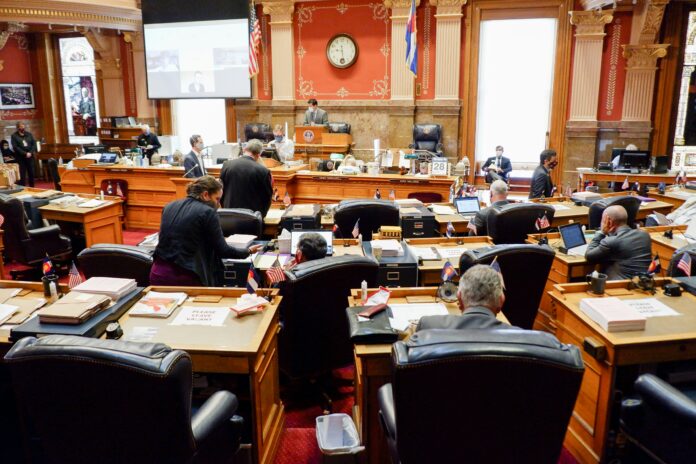
The Political Climate Today
The current political landscape in the United States has become increasingly complex, characterized by a series of debates and discussions that echo throughout Congress. As citizens closely follow the US politics news, it is evident that American policy changes are heavily influenced by a myriad of issues, ranging from health care and immigration to climate change and economic stability. This dynamic environment shapes not only public opinion but also legislative priorities that are crucial for addressing the pressing needs of the nation.
In recent months, congress debates USA have captured the attention of many, as lawmakers grapple with the implications of proposed legislation that seeks to redefine various aspects of American life. The rigor and intensity of these debates serve as a reminder of the polarized nature of the current political climate, with party ideologies often clashing in the pursuit of what each side believes to be the greater good. As discussions unfold within the halls of Congress, it becomes increasingly clear that the outcomes of these deliberations could have lasting ramifications for American society.
Additionally, Washington politics are influenced by external factors such as public sentiment, interest groups, and even global events, which all play a significant role in shaping the direction of US legislation. Stakeholders—ranging from grassroots organizations to corporate lobbyists—actively participate in these discussions, making their voices heard in what is often a convoluted legislative process. Understanding this intricate web of influences is essential for anyone looking to grasp the current state of US politics.
As we delve into the main legislative priorities being discussed, it is important to note that these priorities are not merely theoretical; they directly impact the lives of millions. The ongoing debates encapsulate not only the challenges of governance but also the aspirations of a diverse populace, driving the conversation around what America’s future should entail.
Key Legislative Proposals in Congress
The current political landscape in the United States is marked by a rich array of legislative proposals that are being fervently debated within Congress. Among the most pressing bills under discussion, several aim to address critical areas such as healthcare, infrastructure, and climate change, all of which have profound implications for American policy changes and future governance.
One significant proposal on the table is the comprehensive healthcare reform bill that seeks to expand access to medical services and lower prescription drug prices. This initiative is vigorously supported by progressive factions within the Democratic Party who argue that such reforms are necessary to create a more equitable healthcare system. In contrast, certain Republican lawmakers express concerns regarding the potential increases in tax burdens and government control over healthcare decisions.
Another major focus of congressional debates is the Infrastructure Investment and Jobs Act. This expansive bill aims to allocate substantial funding to modernize the nation’s infrastructure, including roads, bridges, and public transit systems. Supporters, spanning across party lines, emphasize the long-term economic benefits and job creation opportunities that would arise from such investments. Opponents, however, caution against the increased federal spending that the legislation entails, raising questions about its sustainability and fiscal responsibility in Washington politics.
Lastly, legislation addressing climate change is gaining traction, proposing a variety of initiatives to reduce carbon emissions and promote renewable energy sources. Advocates of this bill highlight the urgent need for action in light of the recent climate reports, while opponents often frame the discussion around economic impacts and regulatory overreach.
As these and other us politics news stories continue to evolve, the dynamics within Congress—encompassing both support and opposition for these legislative measures—will undoubtedly shape the future of American policy and its response to pressing societal challenges.
The Role of Political Parties in Legislative Debates
The political landscape in the United States is significantly shaped by the presence and dynamics of its two major parties: the Democratic Party and the Republican Party. These parties play a crucial role in legislative debates, heavily influencing discussions surrounding American policy changes and the enactment of US legislation. The alignment and leadership of party members can dictate the trajectory of policy outcomes, often reflecting broader ideological divides.
Party leadership is critical in setting the agenda for congress debates in the USA. Leaders, including the Speaker of the House and Senate Majority Leader, wield substantial influence over which issues are prioritized, guiding their party members on how to approach various legislative matters. This hierarchical structure often leads to unified voting on key issues, allowing parties to present a cohesive front. By controlling the narrative and emphasizing certain topics, party leaders can effectively steer discussions in line with their party’s priorities and values.
Additionally, member alignment within each party can further affect legislative debates. When members of a party share similar priorities or face external pressures from constituents, they are more likely to rally around particular issues, creating a stronger push for specific legislative changes. Conversely, factionalism within a party may lead to disagreements that can stall or fragment the legislative process. This phenomenon is especially evident in recent years, where intra-party divisions have often complicated Washington politics, challenging the passage of significant legislation.
As ideological polarization intensifies, the role of political parties in shaping the direction of US politics and legislative debates becomes even more pronounced. The interplay between party dynamics and policy discussions reveals the complexities involved in navigating the American legislative framework. Therefore, understanding these influences is essential for comprehending the outcomes of contemporary legislative initiatives and the overall political climate.
Expert Opinions: Views from Analysts and Scholars
In the ever-evolving landscape of US politics, the perspectives of analysts and scholars provide invaluable insights into the legislative priorities that are currently dominating discussions in Congress. These experts examine the implications of proposed policies, congressional debates, and the impacts of potential American policy changes. The current legislative agenda reflects a complex interplay between economic recovery, climate action, and social equity—all central themes in contemporary US politics news.
Political analysts emphasize the significance of bipartisan approaches to addressing these challenges, particularly in an increasingly polarized environment. They argue that while partisan conflict is inherent in Washington politics, there exists a pressing need for collaboration to achieve meaningful legislative outcomes. One analyst notes that successful legislative initiatives often require not just a simple majority but a coalition across party lines, particularly when the proposed legislation involves substantial spending or policy shifts, as seen in recent debates regarding infrastructure and healthcare.
Scholars in political science highlight the importance of public opinion in shaping American policy changes. They point out that the electorate plays a crucial role in influencing the focus and viability of legislative proposals, as policymakers seek to align their agendas with constituents’ interests. Furthermore, experts note that grassroots movements are driving conversations around specific issues, such as climate resilience and social justice, thereby prompting new legislative efforts.
In conclusion, the perspectives of analysts and scholars illuminate the complexities of the current legislative environment in the United States. Their assessments of congressional debates highlight the intricate balance of negotiation and advocacy essential for advancing US legislation, ultimately underscoring the dynamic and sometimes contentious nature of policymaking in the country.
Public Reactions: Voices from the Ground
The current political landscape in the United States is characterized by a diverse array of public opinions and sentiments that reflect the complex nature of US politics news. From impassioned support to vehement opposition, the voices of the American populace provide insight into how various communities perceive ongoing congressional debates and legislative changes.
In recent months, various demographic groups have voiced their perspectives on the significant issues that dominate washington politics. For instance, younger voters have emerged as a crucial demographic, advocating for progressive policies concerning climate change and social justice. Their excitement about policy changes resonates on social media platforms, where they mobilize discussions and encourage civic engagement. Similarly, older generations reflect a contrasting concern about healthcare and social security, often emphasizing the need for stability amidst the rapidly evolving political scene.
Additionally, grassroots movements have gained momentum, with many protests spotlighting specific US legislation that individuals feel is unfair or detrimental to their communities. These movements, characterized by their varied agendas, from voting rights to immigration reform, illustrate the fragmentation of public opinion. Participants express their frustrations and hopes, often arguing that their voices are not adequately represented in current legislative discussions. Such demonstrations often garner media attention, shaping public discourse and influencing policymakers.
Public responses to the ongoing political climate also include dialogues around the impact of legislation on local economies and job markets. Workers from various sectors have articulated concerns over job security and the implications of American policy changes, further complicating the narrative around economic recovery initiatives.
Overall, the landscape of reactions represents a microcosm of the broader societal context, as different segments of the population navigate the intricacies of US politics, underscoring the necessity for lawmakers to engage with these diverse perspectives as they steer future conversations and decisions.
Impact on the Economy: Short-term vs Long-term Effects
The proposed legislation currently being deliberated in the realm of US politics news can significantly influence the economy in both short-term and long-term perspectives. In the short term, immediate policy changes, such as tax cuts or increased government spending, can stimulate economic activity. These alterations often lead to a rise in consumer confidence, encouraging spending and investment among businesses. Consequently, during this phase, the outcomes can manifest as increased employment rates and enhanced gross domestic product (GDP) growth. However, this reaction might not be universally experienced across all sectors, with varying impacts observed across different regions and industries.
On the other hand, the long-term effects of such legislative measures are invariably more complex and nuanced. For instance, substantial shifts in washington politics tied to taxation or regulation can influence overall economic stability. Policies that aim to stimulate the economy today might lead to unintended consequences down the line, such as increased national debt or inflationary pressures. Additionally, congress debates USA may result in legislation that could alter the landscape of American policy changes, which might either foster sustainable growth or inadvertently hinder it.
Moreover, a critical aspect of evaluating the economic impact involves analyzing the resilience of the legislation put forth. If the proposed US legislation enhances economic structures while ensuring equitable growth across diverse demographics, it stands a better chance to contribute positively to long-term prosperity. Conversely, if measures are perceived as temporary fixes without an underlying solid strategy for growth, they could easily stall, resulting in eventual adverse effects on the economy’s trajectory.
Societal Implications: A Broader Perspective
The current political landscape in the United States is a crucial factor influencing various social issues, such as healthcare, education, and social equity. Ongoing congress debates USA on these topics reveal the intense scrutiny and consideration lawmakers are giving to the needs of their constituents, reflecting a broader desire for systemic change. As we navigate US politics news, it becomes clear that potential shifts in public policy can result in significant implications for American society.
In the realm of healthcare, legislation being proposed aims to address the disparities that exist within the system. The ongoing discussions surrounding access to affordable healthcare highlight the urgent need for reform. Politicians are acknowledging variations in healthcare availability across different socio-economic backgrounds, prompting calls for changes that prioritize equitable access to medical services. The American policy changes emerging from these debates could reshape how healthcare operates and who benefits from it, potentially improving outcomes for the underserved populations.
In education, the focus of washington politics has been on addressing funding disparities that affect schools in lower-income areas. Current legislative priorities are also debating expanded access to education, including early childhood education and vocational training. These policy discussions underscore the belief that educational equity is essential for social mobility and economic stability in the long run. Effective reforms in this area could ensure that all students, regardless of background, receive quality education and skills necessary for future success.
Finally, social equity remains a pressing issue in US legislation, with ongoing dialogues concerning civil rights and justice reform. Recent movements advocating for equitable treatment highlight the urgency for comprehensive legal reforms that address systemic discrimination. As these topics are deliberated in Congress, the implications for society may result in significant legislative outcomes that promote a fairer and more just America. In conclusion, the outcomes of these current debates will undoubtedly shape the societal landscape for years to come, reflecting the evolving priorities of the American populace.
Implications for Future Elections
The current political landscape in the United States is characterized by significant debates and legislative initiatives that could profoundly influence future electoral processes. As various factions within Congress engage in heated discussions about critical issues such as healthcare reform, economic recovery, and social justice, these debates do not occur in a vacuum; rather, they are emblematic of broader trends in US politics news that will likely shape voter sentiment moving forward.
The outcomes of these congressional debates are essential not only in terms of policy implementation but also in dictating the motivations and turnout of voters during elections. With American policy changes being scrutinized at every level, public confidence in governmental efficiency and responsiveness influences how citizens engage with and participate in the electoral process. For instance, perceived successes or failures in policy-making can lead to increased turnout among base voter demographics—those who feel directly impacted by the changes.
Moreover, the current political climate, rife with polarization and partisanship, suggests that the implications of these debates extend to long-term voter attitudes and preferences. Washington politics are becoming increasingly visible in daily life, leading to a heightened awareness of policy significance among the electorate. Future elections are therefore likely to reflect this engagement, as voters assess candidates not only based on their party affiliations but also on their positions regarding prominent issues emerging from congress debates in the USA.
Incorporating these factors underscores the deterministic link between legislative debates and electoral consequences. As the political environment evolves and contentious topics are discussed, both parties must navigate these complexities to adapt their strategies to the changing tide of public opinion. Ultimately, understanding these dynamics will be critical for anticipating possible shifts in election outcomes and voter behavior in the years ahead.
Conclusion: Navigating the Future of U.S. Politics
The current political landscape in the United States is marked by significant developments in various areas, including congress debates and legislative priorities. One of the key themes that have emerged is the pressing need for bipartisan cooperation. With divided opinions on issues such as healthcare, climate change, and economic recovery, the divergent interests of political parties present both challenges and opportunities for American policy changes.
As we analyze recent us politics news, it becomes evident that public engagement is crucial for shaping effective governance. Citizens must stay informed and actively participate in the political process to influence u.s. legislation. This active involvement is essential not only for the health of democracy but also for holding elected representatives accountable for their decisions.
The ongoing discussions about Washington politics signify that the framework of American governance is evolving. The complexity of today’s political issues requires innovative solutions that are responsive to the diverse needs of the population. Only through constructive dialogue and willingness to compromise can lawmakers begin to address the multifaceted challenges facing their constituencies.
In conclusion, as the United States navigates its political challenges, the importance of unity and collaboration cannot be overstated. By fostering a culture of cooperation among lawmakers and encouraging civic engagement among citizens, the future of U.S. governance can reflect the ideals of democracy. The engagement of all stakeholders will help chart a course toward a more inclusive, effective, and equitable political environment.