The Pulse of Entertainment Today
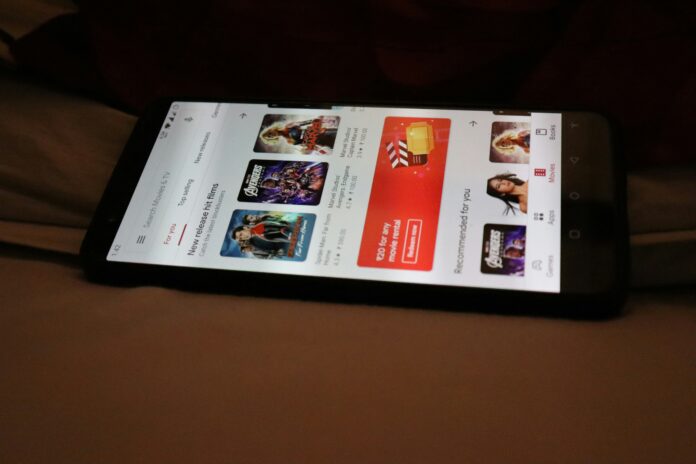
The landscape of the entertainment and arts industry in the United States is highly dynamic, consistently evolving to reflect societal changes and technological advancements. As we delve into the current trends shaping the U.S. entertainment news, it becomes apparent that our cultural environment is increasingly intertwined with the capabilities offered by streaming platforms. The rise of these platforms has not only altered viewing habits but has also given an unprecedented level of access to diverse storytelling.
In recent years, we have witnessed a surge in film releases that prioritize representation and inclusivity, with narratives that resonate with a broader audience. The Hollywood industry has increasingly focused on creating content that reflects contemporary societal issues, tapping into the rich tapestry of American music trends and artistic expression. This shift is indicative of a broader cultural movement where audiences demand authenticity and relatability in the content they consume.
Moreover, the popularity of streaming platforms in the USA has prompted traditional media outlets to adapt quickly in order to stay relevant. They have begun adopting similar strategies that focus on binge-worthy series and on-demand access to content, catering to the fast-paced lifestyle of American viewers today. This evolution has given rise to a competitive landscape where quality and accessibility are paramount. The integration of arts and culture into the mainstream entertainment dialogue is evident, as we see a push for content that not only entertains but also educates about various social themes.
As we explore the emerging trends, it is crucial to recognize how these developments affect both creators and consumers. The intersection of technology, culture, and entertainment in the U.S. underscores the necessity for ongoing dialogue about the direction in which these industries are heading, shaping not only our entertainment landscape but also cultural identity.
New Film Releases: The Big Screen Comeback
The entertainment landscape in the United States has witnessed a resurgence in recent months, especially with the influx of new film releases that are beginning to dominate the box office. Major studios and independent filmmakers alike have taken strategic moves to align their projects with audience preferences, addressing the evolving tastes and interests of moviegoers in a post-pandemic world. Noteworthy premieres are highlighting an array of genres, each reflecting current societal trends through storytelling and production choices.
Among the notable films making waves are high-budget blockbusters that leverage star power and CGI, aiming to draw audiences back to theaters. These films often come with extensive marketing campaigns designed to create hype prior to their release. For instance, recent superhero franchises and action-packed thrillers have captured significant attention, showcasing not only stunning visuals but also intricate narratives that align with contemporary cultural discussions. Initial audience reactions have indicated a longing for escapism, with many films featuring fantastical elements that provide an avenue for viewers to disconnect from reality.
However, it is not only the mainstream cinema that is thriving; independent films have also begun to garner recognition, especially in film festivals. These projects often tackle societal issues and provide unique narratives that resonate deeply with niche audiences. They have proven to be critical in shaping the arts and culture landscape in the USA, offering fresh perspectives that challenge the status quo of conventional filmmaking.
As we assess the box office performance of these films, it becomes apparent that the audience’s appetite for diverse storytelling is an indicator of the shifting dynamics within the Hollywood industry. These trends not only reflect current entertainment preferences but also showcase a collective desire for innovation and inclusivity within the cinematic experience, ultimately influencing future projects across streaming platforms in the USA.
The Streaming Wars: Competition Heats Up
The entertainment landscape in the United States has witnessed a significant transformation driven by the rise of streaming platforms. Major players such as Netflix, Disney+, and Hulu are continuously enhancing their strategies to capture a larger share of the viewer market, which has seen unparalleled growth. Meanwhile, new entrants like Peacock and Paramount+ are also making waves, contributing to the competitive dynamics of the streaming wars.
As we analyze the current trends in the US entertainment news, it becomes evident that these platforms are employing unique content strategies. Traditional seasonal releases are being overshadowed by the push for exclusive, high-quality programming that is often developed specifically for their respective services. This shift caters to changing viewer preferences by providing compelling content that draws in subscribers. For instance, Disney+ has capitalized on its extensive content library by launching exclusive series and films that leverage its established franchises.
Subscription trends reflect these changes, with platforms continually assessing pricing models and promotional strategies aimed at attracting and retaining viewers. Monthly subscription costs have become a focal point of competition, prompting some services to explore ad-supported options as a means to lower barriers to entry for new customers.
In this crowded marketplace, platforms are also focusing on understanding viewer demands through data analytics, which influences their content creation and curation processes. The competitive nature encourages innovation, with each streaming service striving to offer something unique that resonates with audiences, from American music trends to immersive arts and culture USA experiences.
As streaming continues to evolve within the Hollywood industry, the focus remains not only on acquiring new subscribers but also on deepening engagement with existing ones, solidifying the significance of these platforms in shaping the future of entertainment in America.
Music Industry Developments: Rising Artists and New Sounds
The music industry in the United States is currently witnessing a dynamic evolution, characterized by the emergence of innovative artists and the exploration of new musical genres. With platforms such as Spotify, Apple Music, and other streaming services leading the charge, traditional methods of music consumption have been transformed. Streaming platforms USA have altered how listeners access music, enabling a diverse range of artists to reach global audiences without the backing of major record labels.
Rising artists are utilizing these platforms not only to distribute their music but also to cultivate a fan base. Social media has become an essential tool in this process, giving musicians the ability to share their sound and engage with listeners directly. As these artists publish new tracks, platforms like TikTok serve as launch pads for viral hits, further driving new sounds into the mainstream. This shift has resulted in a landscape where genres become more fluid; blending elements from hip-hop, pop, electronica, and indie music has become commonplace. Such genre-blending fosters creativity and opens avenues for rising artists to carve out their unique identities.
Moreover, American music trends are heavily influenced by cultural events, social movements, and technological advancements. The intersection of these factors often leads to the creation of new sounds that resonate with current social sentiments. Musicians are now more attuned to the cultural zeitgeist, allowing them to produce content that reflects contemporary societal issues and personal experiences. Consequently, the arts and culture USA scene is evolving alongside these music trends, showcasing a rich tapestry of narratives shaped by both emerging artists and established musicians alike.
Cultural Events: Festivals and Movements Gaining National Attention
The cultural landscape of the United States is consistently evolving, greatly influenced by various festivals and artistic movements. Key events such as the Sundance Film Festival, Coachella, and the South by Southwest (SXSW) festival serve as prominent platforms highlighting artistic talents in film, music, and the arts. These festivals not only showcase the work of established artists but also promote emerging talents. In recent years, the spotlight has turned towards themes reflecting societal issues, allowing these cultural events to engage in meaningful dialogues with audiences.
Moreover, art exhibitions in major cities often become epicenters for discussions on American music trends, diversity, and the challenges faced by underrepresented groups in the arts and culture USA. For instance, installations that confront issues such as racial inequality and climate change have drawn significant media coverage and public participation. The audience’s engagement with these cultural events is equally noteworthy; for example, attendance at the National Museum of African American History and Culture has surged, demonstrating a growing interest in historical narratives and the impact of culture on contemporary society.
Social movements have also taken center stage, with protests such as those advocating for climate action or racial equality intersecting with the arts. These movements have led to the rise of arts collectives that use performance art and visual installations to resonate with audiences emotionally and intellectually. Such expressions of art not only reflect societal trends but also encourage community involvement and foster cultural awareness. The influence of streaming platforms in the USA has further expanded the reach of these festivals, allowing virtual attendance and online engagement, making it easier for audiences across the nation to participate and explore the rich tapestry of American arts and culture.
Audience Reactions: A Snapshot of Public Sentiments
The landscape of the US entertainment news is frequently shaped by audience reactions, which reflect the collective sentiments toward recent films, music releases, and cultural events. As streaming platforms USA continue to dominate, public engagement with content has surged, intertwining personal opinions with Hollywood industry narratives. Recent polls and social media analyses reveal fascinating insights about how audiences connect with various entertainment forms.
In the realm of cinema, films such as major blockbusters and independent releases alike have garnered diverse reactions. Social media platforms serve as vital barometers for gauging public sentiment, and key hashtags often trend in relation to significant movie launches. Reactions range from enthusiastic applause for innovative storytelling to critical feedback on particular tropes. Notably, the role of influencers in shaping these responses cannot be overstated, as their reviews often dictate audience anticipation and engagement.
In terms of music, current American music trends indicate a dynamic shift towards genre-blurring collaborations. Listeners express their preferences through streaming habits, with platforms showcasing a blend of pop, hip-hop, and indie genres. Recent album drops have sparked discussions that span from lyrical analysis to the exploration of cultural themes reflective of contemporary society. Polls conducted by music platforms reveal listeners’ excitement for emerging artists and their reactions to established names, contributing to the rich dialogue surrounding arts and culture USA.
Cultural events, including art exhibitions and performances, also invite public interaction. Audiences express their experiences through reviews and posts, enriching the communal appreciation of artistic endeavors. Overall, audience reactions not only influence the trajectory of projects within the entertainment industry but also provide insight into the evolving tastes and values of society, ensuring that public sentiment continues to play a crucial role in shaping trends.
Industry Insights: What Experts Are Saying
The landscape of the entertainment and arts industry in the United States is ever-evolving, influenced by technological advancements, shifting consumer preferences, and a dynamic global context. Experts in the field have provided insightful commentary on the current trends shaping this multifaceted environment. One major perspective highlights the rapid growth of streaming platforms in the USA, which have substantially altered how content is consumed. Analysts note that the rise of these platforms has democratized access to diverse content, allowing for an explosion of creativity in filmmaking, and offering opportunities for underrepresented voices in the Hollywood industry.
Furthermore, the ongoing convergence of visual arts and digital technology is captivating the interest of observers. Experts suggest that the integration of augmented reality (AR) and virtual reality (VR) into various artistic expressions is redefining audience engagement. This trend not only enhances the viewer experience but also paves the way for innovative storytelling methods. Critics emphasize that the arts and culture scene in the USA is witnessing a renewed focus on interactivity and immersion, suggesting that these elements will continue to play a crucial role in the future.
In the realm of music, analysts believe that American music trends are increasingly characterized by genre-blurring collaborations among diverse artists. The fusion of styles and influences is indicative of a broader cultural shift, with more musicians drawing inspiration from global sounds. Experts argue that this trend reflects a growing appreciation for cultural exchange, contributing to a rich and varied musical landscape that resonates with audiences across the nation.
As industry insiders share their analyses, it becomes clear that the entertainment sector is not only adapting to current challenges but is also poised for significant transformations. Understanding these perspectives allows stakeholders to anticipate future movements and to adapt accordingly, ensuring continued relevance in a rapidly changing environment.
Future Expectations: What Lies Ahead for Entertainment and Arts
The landscape of the U.S. entertainment and arts industry is continually evolving, driven by rapid technological advancements and changing consumer preferences. As we look forward, several trends are emerging that could define the future of this vibrant sector. One notable shift is the growing dominance of streaming platforms in the USA. These services have fundamentally altered how audiences access content, favoring convenience and on-demand viewing over traditional broadcasting methods. As subscription-based models gain traction, it is likely that we will see a wider variety of content—including unconventional genres and formats—emerging to cater to diverse viewer tastes.
Furthermore, technological innovations, particularly in virtual reality (VR) and augmented reality (AR), are poised to create immersive experiences that could revolutionize content consumption. As these technologies become more mainstream, they may open new pathways for storytelling, blending elements of film, gaming, and live performance to engage audiences in unprecedented ways. Arts and culture organizations might leverage these innovations to enhance their offerings and attract wider participation.
American music trends are also evolving, reflecting a blend of global influences and the rise of independent artists. The democratization of music production technology means that emerging genres and cultural expressions can flourish outside of traditional frameworks, resulting in a rich tapestry of sound that speaks to a broader audience. In addition, sustainability and social justice themes are increasingly resonating with creators and consumers alike, indicating a potential shift toward more meaningful content.
Overall, the future of U.S. entertainment news suggests an exciting amalgamation of technology, shifting viewer habits, and a heightened focus on diversity. As these elements converge, they are likely to forge new pathways for creativity and innovation within the Hollywood industry, ultimately enriching the arts and culture landscape in the United States.
Conclusion: A Dynamic Landscape of Entertainment
The entertainment and arts industry in the United States is characterized by its dynamic nature, reflecting the ever-evolving interests and preferences of the audience. Over recent years, significant transformations have emerged across various facets, from the resurgence of blockbuster films in the Hollywood industry to the rise of original content on various streaming platforms USA. These shifts not only redefine how content is consumed but also influence the overarching landscape of entertainment and arts in the country.
Moreover, the influence of American music trends continues to shape cultural conversations, introducing diverse genres and driving innovation in soundscapes popular among listeners. As artists and creators adapt to technological advancements and changing consumer behaviors, they also play a pivotal role in the broader discussion of arts and culture USA. This interplay fosters a rich dialogue about identity, representation, and the art of storytelling.
As we conclude our exploration of current trends, it becomes crucial for readers to remain attuned to these shifts and developments. The entertainment industry is in constant flux, with new trends emerging and evolving at a rapid pace. By engaging with these trends, individuals can better appreciate the multifaceted experiences that come from the world of entertainment and the arts, allowing for deeper insights and understanding. This vibrant tapestry not only enhances our cultural experiences but also encourages future exploration and appreciation of the rich narratives that continue to shape the entertainment landscape in the United States.