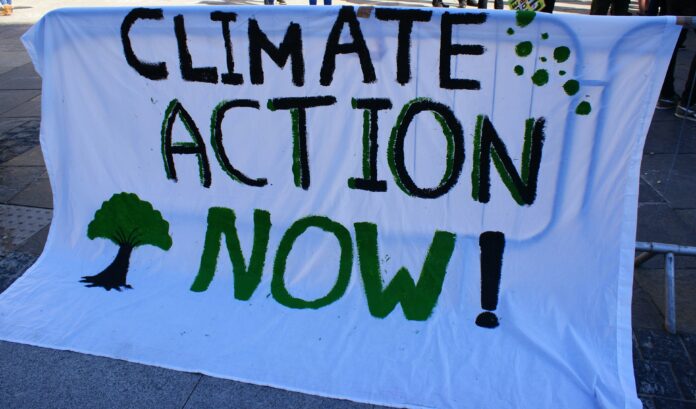
Introduction: A Climate at a Crossroads
The United States is currently facing significant challenges related to climate change that have profound implications for its environmental policy and public health. Recent trends reveal an alarming increase in extreme weather events, which are becoming more frequent and severe. From hurricanes and floods to wildfires and heatwaves, these conditions underscore the urgent need for responsive measures that address the crisis effectively. Climate change in the USA demands immediate attention as communities grapple with its reality and the long-term effects on their environments.
Amidst these challenges, a noticeable shift towards renewable energy in America is taking shape. The nation is increasingly investing in cleaner, sustainable energy sources such as solar, wind, and hydroelectric power. This transition is critical not only for reducing greenhouse gas emissions but also for fostering a resilient economy that can withstand the impacts of climate change. As the fossil fuel industry faces mounting scrutiny, renewable energy adoption is becoming a cornerstone of environmental policy in the USA, driving both technological advancement and job creation.
In addition to macro-level initiatives, local communities across the country are responding innovatively to climate challenges. Grassroots movements advocating for sustainability are gaining traction, fostering a culture of environmental stewardship that can inspire broader changes. These local responses are essential to complement national policies as they bring to light localized issues and solutions that resonate deeply with communities affected by the climate crisis.
With the intersection of renewable energy efforts, growing extreme weather events, and evolving environmental policies, the stakes have never been higher. Understanding these dynamics is crucial for navigating the complexities of climate change in the United States as the nation stands at a pivotal crossroads in its environmental history.
Renewable Energy Expansion: America’s Path to Sustainability
The expansion of renewable energy sources in the United States marks a significant stride toward addressing climate change and promoting sustainability. Over the past decade, solar and wind power have emerged as dominant forces in the energy sector. These developments symbolize a growing commitment to shifting away from fossil fuels and reducing greenhouse gas emissions, which are central issues amidst the escalating climate crisis.
Government incentives have played a critical role in this transition. Policies such as tax credits, grants, and subsidies encourage both consumers and businesses to invest in renewable energy technologies. For instance, the federal Solar Investment Tax Credit (ITC) has propelled solar energy adoption, allowing homeowners and businesses to receive substantial tax reductions on their solar panel installations. Furthermore, various states have implemented renewable portfolio standards that mandate a certain percentage of energy must be generated from renewable sources, effectively driving further investment in sustainable energy alternatives.
Technological advancements have also contributed significantly to the growth of renewable energy in America. Innovations in solar panel efficiency and wind turbine design have driven costs down, making these technologies more accessible and economically viable. Coupled with a robust energy storage sector, the effectiveness of renewable energy solutions has improved tremendously, allowing for a more reliable supply amidst its intermittent nature.
Investment from both public and private sectors has accelerated the shift toward renewable energy. Major corporations are now committing substantial resources to sustainability initiatives, recognizing the long-term benefits of transitioning to clean energy solutions. As a result, renewable energy has become a cornerstone of environmental policy in the USA, leading to enhanced energy independence and a reduction in reliance on non-renewable resources.
In summary, the ongoing expansion of renewable energy sources illustrates a united effort in the United States toward achieving a sustainable future. With continued government support, advancing technology, and growing investments, the nation is poised to harness the full potential of clean energy in mitigating the impacts of climate change and fostering a healthier environment for future generations.
Extreme Weather Impacts: A New Normal?
The increasing frequency and intensity of extreme weather events in the United States have raised significant concerns about the implications of climate change. From devastating hurricanes to unprecedented wildfires and widespread flooding, these occurrences have become more common and severe, suggesting a shift towards a “new normal.” The implications of these events are not only environmental but also socio-economic, affecting communities across the nation.
Recent case studies illustrate this alarming trend. For instance, Hurricane Harvey in 2017 caused catastrophic flooding in Texas, leading to billions in economic losses and displacing thousands of residents. Similarly, in 2020, wildfires across California burned millions of acres, resulting in significant air quality degradation and health impacts that affected large swathes of the population. These severe weather events have made it clear that the impacts of climate change in the USA are no longer theoretical; they are tangible and immediate.
The socio-economic consequences of these extreme weather incidents are profound. Communities often face extensive damage to infrastructure and critical services, leading to prolonged recovery periods and heightened vulnerability to future events. Low-income neighborhoods are particularly hard hit, as they often lack the resources necessary to adapt or recover. Additionally, there is an ongoing strain on public health systems as extreme weather contributes to a rise in health issues, further complicating emergency response efforts.
Experts forecast that without a robust environmental policy in the USA that prioritizes sustainability, the frequency and severity of extreme weather will only escalate. Renewables are increasingly seen as part of the solution, providing clean energy that can support climate resilience efforts across the nation. As we navigate this evolving landscape, understanding the socio-economic impacts of climate change will be critical for developing effective strategies to manage future risks.
Environmental Regulations: Striking a Balance
The evolving landscape of environmental regulations in the United States reflects a critical need to address pressing climate change challenges while considering economic implications. Federal, state, and local government actions are increasingly shaping the relationship between environmental policies and economic growth. These regulations have become essential tools for mitigating climate change and fostering sustainability in the United States.
Recent policy changes, particularly in light of increased extreme weather events, have prompted discussions surrounding the necessity for stricter environmental policy in the USA. Lawmakers are striving to create frameworks that not only reduce greenhouse gas emissions but also encourage renewable energy sources across America. As such, policies now emphasize the promotion of renewable energy America as a significant component of long-term climate change strategy, aligning with both environmental goals and economic interests.
However, the implementation of these regulations faces numerous challenges. Balancing the need for sustainability and environmental protection with the demands of various industries has been a contentious issue. Critics often argue that stringent environmental regulations can stifle economic growth, leading to job loss and decreased competitiveness. Thus, regulatory agencies are tasked with the delicate job of assessing risks and benefits, ensuring that environmental goals do not unduly hamper the economic wellbeing of communities.
Despite these challenges, significant achievements have been made in the realm of environmental regulation. Collaborative efforts between the government and private sectors have led to innovative solutions that promote sustainability in the United States. These initiatives not only support climate change mitigation but also introduce green jobs and investment opportunities in renewable energy America.
Ultimately, the continuous evolution of environmental regulations remains critical. Ongoing assessment and adaptation ensure that the balance between economic development and environmental stewardship is maintained, paving the way for a more sustainable future in the United States.
Community Adaptation Strategies: Building Resilience
Communities across the United States are increasingly recognizing the urgent need to address the impacts of climate change through innovative adaptation strategies. These strategies are not only aimed at mitigating the effects of extreme weather events but also at enhancing overall sustainability within local environments. An overarching focus is on tailored infrastructure improvements that can withstand the growing threats posed by climate change.
For instance, municipalities in coastal regions, which are particularly vulnerable to rising sea levels and hurricanes, are investing in resilient infrastructure. This includes the development of sea walls and the restoration of wetlands that naturally buffer against storm surges. Cities such as Miami and New Orleans are prioritizing these enhancements through comprehensive environmental policy initiatives, effectively integrating resilience into urban planning.
Moreover, disaster preparedness programs have emerged as essential components for community resilience in the face of climate change. Many communities are conducting risk assessments to identify vulnerabilities and are implementing training for residents and local emergency services to ensure a coordinated response to climate-related disasters. Such programs not only strengthen immediate responses but also foster a culture of preparedness that enhances community trust and cooperation.
Community-led initiatives play a pivotal role in addressing the challenges posed by climate change. Grassroots organizations are leading efforts to promote sustainable practices such as community gardens, urban green spaces, and renewable energy projects. These initiatives empower residents to take ownership of their environmental impacts and contribute to broader sustainability goals. For example, multiple communities in California are banding together to transition to renewable energy sources, reducing reliance on fossil fuels and thereby aligning with the national objectives for a cleaner energy future.
In conclusion, the resilience of communities in the United States hinges upon the successful implementation of diverse adaptation strategies. By focusing on infrastructure improvements, disaster preparedness, and community-led initiatives, these communities are not only addressing the immediate effects of climate change but also paving the way for a sustainable future amid an evolving climate landscape.
Business Innovations: Embracing Green Practices
The growing urgency of climate change in the USA has led to a significant shift in how businesses approach their operations and sustainability. As extreme weather events become more common, many companies are recognizing that adapting to these challenges is not only a responsibility but also an opportunity for innovation. Embracing green practices has emerged as a powerful strategy for businesses, driving the adoption of renewable energy in America and enhancing their competitiveness in the marketplace.
One prominent development in this trend is the implementation of corporate sustainability initiatives that aim to reduce carbon footprints and promote environmental stewardship. Businesses across various sectors are now prioritizing renewable energy sources over fossil fuels, aiming to transition towards a low-carbon economy. These initiatives often encompass a wide range of activities, from energy-efficient technologies to sustainable supply chain management, reflecting a holistic approach to environmental policy in the USA.
The rise of green technology has further empowered companies to innovate their operations. This includes advancements in energy storage, electric vehicles, and smart grids, which not only contribute to sustainability in the United States but also enhance operational efficiency. By integrating such technologies, businesses can significantly lower their energy consumption while meeting the increasing demands for sustainability from consumers and regulators alike.
Moreover, transitioning to eco-friendly practices is not just beneficial for the environment; it also presents substantial economic advantages. Companies that adopt renewable energy solutions and prioritize sustainability can enjoy reduced operational costs, as well as access to new markets and funding opportunities. Furthermore, businesses that showcase their commitment to green practices often experience improved brand loyalty and reputation, which are essential in today’s environmentally-conscious market.
Expert Insights: Voices from the Frontlines
In the ongoing struggle against climate change in the USA, insights from climate scientists, environmental activists, and policymakers are invaluable in shaping the discourse and guiding effective public policy. These experts observe that the intensifying impacts of extreme weather in the USA—ranging from hurricanes and heatwaves to wildfires—underscore the urgent need for a robust response to the climate crisis.
According to Dr. Maria Lang, a climate scientist at a prominent university, the correlation between rising greenhouse gas emissions and severe weather patterns is undeniable. “We are witnessing unprecedented changes in our climate, which require immediate shifts in both environmental policy in the USA and individual behaviors,” she remarks. This perspective highlights the nexus between scientific research and actionable policy reform, emphasizing the vital role of renewable energy in America as a key strategy to mitigate these changing conditions.
Activists like John Reyes, who lead grassroots movements, advocate for heightened public awareness about sustainability in the United States. “It is essential for citizens to understand that their everyday choices can significantly impact our collective future,” he states, referencing the importance of shifting towards renewable energy sources, which not only reduce carbon footprints but also promote economic stability. Through community engagement and education, these movements aim to galvanize support for more aggressive sustainability initiatives.
On the policy front, representatives at national and state levels are increasingly recognizing the need for comprehensive approaches to tackle climate issues. Senator Emily Carter highlights, “Our government must prioritize investments in renewable energy, not just as an environmental necessity but as a catalyst for economic growth.” This illustrates a growing consensus that environmental policy in the USA should align with broader socio-economic goals, creating pathways that incorporate climate action as a fundamental aspect of national development strategies.
From scientists to activists and policymakers, the call is clear; coordinated action is paramount. As we navigate this transformative era, the insights from these experts will be critical in shaping future directions for climate action in America, promising a more sustainable and resilient future for all.
Long-term Sustainability Goals: A Vision for America
The United States has increasingly recognized the importance of setting long-term sustainability goals amidst the pressing issue of climate change. These objectives reflect the commitment of various stakeholders, including federal and state governments, non-governmental organizations, and private corporations, to mitigate the impacts of extreme weather across the country. As outcomes of international climate agreements, such as the Paris Accord, the U.S. aims to reduce greenhouse gas emissions and foster renewable energy sources to construct a more sustainable future.
At the federal level, the administration has outlined ambitious climate action plans that incorporate multiple dimensions of environmental policy. Initiatives directed towards net-zero emissions by 2050 emphasize a transformative shift towards renewable energy America. This includes investments in solar, wind, and other sustainable energy technologies, designed to provide cleaner alternatives and reduce the carbon footprint associated with traditional fossil fuels.
Moreover, individual states have also taken significant strides in setting their sustainability targets. States such as California and New York have enacted policies that not only aim to meet their renewable energy targets but also address social equity by providing equal access to clean energy solutions. These localized policies are essential components of the broader network of environmental policy in the USA, working in tandem to comply with national and international standards.
Corporations are pivotal in this endeavor, with many pledging sustainable practices and commitments toward carbon neutrality. The corporate engagement demonstrates a growing recognition of sustainability within business models, promoting eco-friendly innovations and practices that align with the public’s expectation for corporate responsibility concerning climate change USA.
As we move forward, the synergy between government initiatives and corporate responsibility will be crucial in achieving the long-term sustainability goals set for the United States. The collaboration among these sectors signals a shared vision that prioritizes environmental health and addresses the challenges posed by climate change, ultimately contributing to a more resilient America.
Conclusion: A Path Forward Amidst Challenges
The ongoing impacts of climate change in the USA have underscored the critical need for a unified approach to environmental policy. As extreme weather events become more frequent and severe, it is imperative that the nation prioritizes resilience through innovative solutions and sustainable practices. The traditional reliance on fossil fuels poses serious challenges to both environmental and public health, urging a swift transition to renewable energy sources in America.
Collaboration among federal, state, and local governments, in conjunction with private sectors and community stakeholders, is essential in addressing the multifaceted implications of climate change. Strong environmental policy in the USA must foster cooperation across various levels to effectively mitigate risks associated with climate-related disasters. Investment in renewable energy infrastructure not only supports an eco-friendly transition but also stimulates the economy and creates numerous job opportunities for Americans.
Sustainability in the United States requires a commitment beyond political and corporate rhetoric; it calls for an integrated approach that involves individual accountability and grassroots movements. Citizens, educators, and local activists have a pivotal role in advocating for ambitious climate action, which actively drives support for national efforts. Educational initiatives that promote awareness about the implications of climate change can empower communities to adopt sustainable practices on a local level, thus enhancing national resilience.
As the complexities of climate challenges evolve, robust and flexible environmental policies are critical. It is the collective duty of every stakeholder—government officials, private enterprises, and citizens—to adapt and respond proactively. A commitment to renewable energy and sustainable development will not only mitigate the adverse effects of climate change but also position the United States as a global leader in combating this pressing issue. The journey forward may be fraught with uncertainties, yet the collaborative endeavor toward combating climate change holds the promise of a sustainable future.