The Pulse of Entertainment Today
The entertainment industry in the United States is characterized by its extraordinary dynamism, continuously evolving through shifting audience preferences and technological advancements. As we navigate through 2023, several prominent trends have emerged, significantly impacting the landscape of Hollywood and the broader streaming industry in the USA. These trends are not only reflective of American pop culture but also encapsulate the diverse tastes and interests of audiences across the nation.
One of the most compelling aspects of current trends is the rise of streaming platforms, which have transformed the way content is consumed. No longer confined to traditional cinema and television, viewers now have the flexibility to watch their favorite shows and movies at their convenience. This shift has given rise to an increasingly competitive arena among streaming giants, all vying for the attention of American celebrities, filmmakers, and audiences. The fight for original and exclusive content has led to unprecedented creativity and innovation, marking a new chapter in entertainment.
Moreover, the increasing presence of social media influencers within the entertainment sphere has redefined what it means to be a celebrity. These individuals, often untraditional and highly relatable, are now at the forefront of pop culture in America, driving trends and shaping public opinion. The intersection of social media and entertainment is reshaping how stories are told and how they resonate with audiences, ultimately contributing to the broader narrative of American entertainment news.
Significantly, current Hollywood trends reveal a heightened emphasis on representation and diversity, with filmmakers and major studios taking substantial steps toward inclusive storytelling. This shift not only reflects the values of modern society but also enhances the richness of creative content, fostering a cultural amalgamation that speaks to the vast tapestry of American life.
Hollywood’s Box Office Comeback
The landscape of Hollywood has witnessed a significant transformation as audiences gradually return to theaters post-pandemic. The latest figures indicate a resurgence in box office revenues, with major studios cautiously optimistic about the future. The reopening of theaters has coincided with the release of several high-profile films that have performed exceptionally well, marking a pivotal moment in the streaming industry USA.
One of the standout films that exemplified this comeback is the much-anticipated action blockbuster, which not only dominated the box office charts but also created a significant cultural impact, resonating with American celebrities and fans alike. The film’s success underscores the enduring appeal of traditional cinematic experiences amidst the rise of streaming platforms. As Hollywood trends continue to evolve, it is evident that a harmonious balance between theatrical releases and streaming options is crucial for audience engagement.
Several genres have shown promising growth during this resurgence. For instance, action and superhero films remain at the forefront, captivating audiences with their high-octane thrills and spectacular visuals. Meanwhile, romantic comedies and dramas are also carving out their niche to attract diverse demographics within the pop culture America landscape. Studios are meticulously analyzing these box office trends to tailor future releases to meet audience preferences.
Moreover, the implications of these trends reach far beyond financial performance. Hollywood is re-evaluating its distribution strategies, enabling a more robust connection with viewers. As we move forward, understanding how these dynamics affect both studios and audiences will be pivotal in shaping the future of entertainment. In conclusion, Hollywood’s box office comeback signals a renewed interest in theatrical experiences, reinforcing the cinematic experience as central to the evolving entertainment narrative.
Streaming Wars: Subscription Models and Original Content
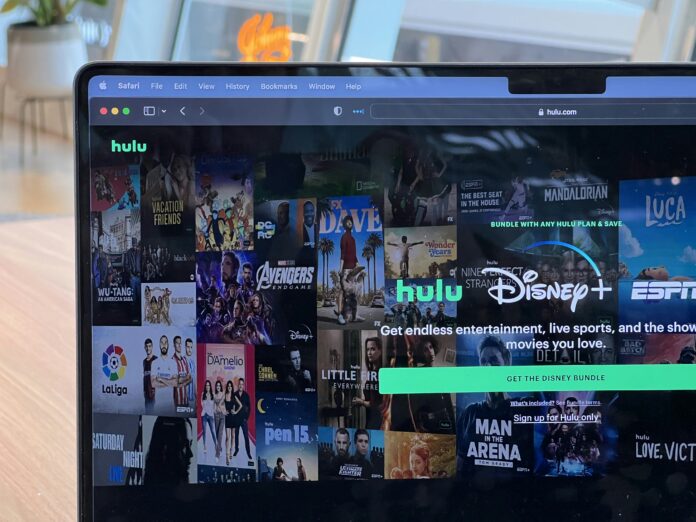
The streaming industry in the USA has seen unprecedented growth in recent years, largely driven by the fierce competition among major platforms like Netflix, Disney+, and Hulu. As these services vie for dominance, the strategies they employ are continually evolving, particularly in terms of subscription models and original content creation. This ongoing battle has reshaped the landscape of entertainment, influencing not only viewer choices but also the traditional cable TV model.
Subscription pricing has become a focal point in attracting and retaining subscribers. Netflix, for example, has experimented with various tiered pricing structures to cater to different audience segments, while Disney+ has aggressively priced its services to entice families and younger viewers. Hulu has also adapted its model, offering both ad-supported and ad-free subscriptions, making it an appealing choice for diverse consumer preferences. This diversification in pricing reflects an awareness of shifting viewer habits, as American celebrities and filmmakers increasingly align with platforms that promote original productions.
Original content has emerged as a key differentiator for streaming services. The development of unique shows and films tailored to specific audiences has become essential, as seen with Netflix’s wide array of successful series like “Stranger Things” and Disney+’s “The Mandalorian.” These offerings not only draw in viewers but also spark discussions in pop culture America, affecting trends and social conversations. As consumers become more discerning, the demand for high-quality, engaging content continues to rise, urging platforms to invest heavily in production capabilities.
This competition among streaming platforms inevitably impacts traditional cable TV viewership, resulting in a notable decline as subscribers shift towards on-demand viewing options. The increasing emphasis on streaming services signifies a potential transformation in how audiences consume entertainment, marking a significant departure from traditional broadcasting methods. As the landscape continues to evolve, following the latest us entertainment news becomes essential for those who wish to stay informed about Hollywood trends and developments in original programming.
A Spotlight on Music: Chart-Topping Trends and Artists
In recent years, music has undergone significant transformations, reflective of the evolving tastes and preferences of listeners. Dominant genres such as hip-hop, pop, and electronic music are currently shaping the chart-topping landscape, with artists pushing the boundaries of creativity and style. Emerging artists, leveraging their unique voices, are becoming key players in the music industry, gaining traction within the American entertainment news sphere and appealing to diverse audiences.
The streaming industry in the USA plays a pivotal role in this evolution. Platforms such as Spotify, Apple Music, and YouTube have drastically changed the way music is consumed, allowing users to engage with their favorite artists and genres more readily. The influence of streaming services has also led to the rise of viral hits, often originating from social media platforms like TikTok. These trends illustrate how pop culture in America is being shaped by digital interactions, with artists finding innovative ways to connect with their fan base and market their music.
Notable album releases from both established and emerging American celebrities have brought fresh sounds into the limelight. For instance, the recent collaborations between artists across genres not only enhance musical diversity but also amplify the cultural conversations surrounding identity and experience. As listeners become more discerning, they are gravitating toward quality over quantity, resulting in a focused exploration of artistry that resonates on a personal level.
The current landscape of music is marked by a blend of traditional musicianship and the modern dynamics of technology. The synergy among social media, streaming services, and cross-genre collaborations continues to redefine how music is produced and enjoyed. This vibrant confluence of elements positions the music industry for an exciting future, reflecting ever-changing trends and the rich tapestry of American culture.
Celebrity Culture: Public Figures Impacting Trends
In the vibrant landscape of pop culture America, celebrities hold significant sway over the trends that shape lifestyle choices, fashion, and social attitudes. American celebrities, through their public personas, often serve as the benchmark for style and conduct, leading to a rapid diffusion of their influence across various facets of society. Recent events have highlighted how these public figures can catalyze substantial changes, particularly in the realms of fashion and social issues.
The emergence of social media platforms has further amplified the visibility of celebrity endorsements. Stars such as Kim Kardashian, Taylor Swift, and Dwayne Johnson regularly utilize platforms like Instagram and Twitter to connect with fans, promoting not only their own projects but also voicing their opinions on pressing social issues. For instance, in addressing systemic racism, celebrities have initiated campaigns that resonate deeply within their vast audiences, fostering conversations around equality and justice. This has been particularly evident in the wake of contemporary movements, where their voices have spotlighted important societal changes.
However, the relationship between celebrities and their fan base is multifaceted. While these public figures can elevate awareness on critical topics and trends, controversies often ensue, challenging the authenticity of their motivations. Instances of oversharing or misalignment with the public’s sentiments can lead to backlash, demonstrating the fine line celebrities walk in maintaining their influence. Furthermore, their interactions with fans—be it through charity events, online engagement, or public appearances—continuously shape how they are perceived and the subsequent impact they have on Hollywood trends and beyond.
The interplay between the streaming industry USA and celebrity endorsement is also noteworthy. As streaming services thrive, the involvement of American celebrities in producing and starring in content contributes to the ongoing evolution of entertainment trends. Consequently, the dynamic nature of celebrity culture continues to mold the fabric of American pop culture.
Diversity and Representation in Film and TV
The landscape of us entertainment news has been shifting significantly as Hollywood increasingly prioritizes diversity and representation within its projects. This evolution is not merely a trend, but a reflection of a broader societal movement advocating for inclusivity in storytelling, casting, and behind-the-scenes roles. In recent years, notable films and television series have emerged that exemplify this transformative change, reshaping the narrative frameworks traditionally dominated by a homogenous perspective.
Prominent films such as “Black Panther” and television shows like “Pose” serve as powerful representations of varied cultural narratives, showcasing African-American and LGBTQ+ experiences respectively. These works have not only garnered critical acclaim but have also resonated deeply with audiences, affirming the significance of diverse storytelling in pop culture America. As these projects gain traction, they pave the way for more creators from underrepresented backgrounds to voice their stories, subsequently enriching the overall fabric of the entertainment industry.
Moreover, the progress being made extends beyond on-screen portrayals. There is a growing recognition of the need for diversity behind the camera as well. Initiatives aimed at increasing the representation of women and minorities in directing, producing, and writing roles are gaining momentum. Industry leaders and studios are beginning to realize that diverse teams can bring a wealth of perspectives that enhance storytelling and drive creative innovation, significantly impacting the streaming industry USA. This shift is indicative of a broader trend dynamic within Hollywood, urging all stakeholders to rethink their approaches to inclusivity.
As audiences become increasingly vocal about their desire for authentic representation, the industry faces a critical juncture. The rising acceptance and demand for diversity not only change the narratives but also reflect evolving societal values. The commitment to inclusivity is not just a fleeting phenomenon; it is a pivotal aspect of the future of cinema and television. Ensuring ongoing support for diverse narratives is imperative for cultivating a truly representative entertainment landscape, offering a rich tapestry of stories that reflect the world we live in.
Cultural Events and Festivals: Reconnecting Audiences
The landscape of the entertainment industry is continuously evolving, with cultural events and festivals playing a pivotal role in uniting audiences and celebrating artistic achievements. Major film festivals, such as the Cannes Film Festival or the Sundance Film Festival, have long been cultural cornerstones, showcasing not only the latest cinematic offerings but also fostering a sense of community among filmmakers and viewers. These events serve as vibrant platforms that highlight the diversity of voices within the streaming industry in the USA and across the globe.
In recent years, music festivals like Coachella and Lollapalooza have transitioned from traditional live performances to increasingly complex multimedia experiences, drawing large audiences and creating a buzz in pop culture America. The impact of such gatherings stretches beyond mere entertainment; they offer attendees opportunities to engage with their favorite American celebrities and participate in discussions that shape the cultural narrative. The importance of these festivals was underscored in 2020, when many events pivoted to virtual formats to adapt to the constraints of the pandemic, continuing to connect passionate fans with their artistic heroes.
Award shows have also adapted to a changing landscape, often prioritizing inclusivity and representation in their nominations and winners. Events like the Oscars and the Grammy Awards are not only celebrations of artistic excellence but also reflect ongoing societal shifts and trends within the industry. These gatherings highlight new voices and narratives in contrast to traditional norms. Furthermore, these festivals and award shows remind us that despite the challenges faced by the industry, community and celebration of the arts remain as significant as ever in navigating the Hollywood trends of today.
Technology’s Role in Shaping Entertainment Experiences
The entertainment industry is undergoing a radical transformation, largely propelled by technological advancements that are reshaping how audiences engage with content. Virtual reality (VR) and augmented reality (AR) are leading the charge, providing immersive experiences that were once the domain of science fiction. These technologies enable filmmakers, gaming developers, and content producers to create environments where viewers can participate rather than just observe. In the realm of us entertainment news, breakthrough projects utilizing VR have begun to emerge, offering audiences an unprecedented level of interactivity and engagement.
In addition to VR and AR, artificial intelligence (AI) has made significant strides in enhancing storytelling and viewership. AI-driven algorithms analyze viewer preferences, enabling platforms to offer personalized recommendations. This shift is particularly noteworthy within the streaming industry in the USA, where services like Netflix utilize AI to curate content based on individual tastes, influencing how American celebrities and emerging talents are promoted. This personalized approach not only enriches the viewing experience but also redefines consumer interaction with pop culture in America.
As we look to the future, the integration of technology in entertainment promises even more innovative projects. For instance, discussions around the potential of AI in scriptwriting and production are paving the way for new narratives that may resonate differently with diverse audiences. The seamless blending of technology with conventional storytelling techniques could lead to unique cinematic experiences that captivate global audiences. Overall, the ongoing evolution prompted by technology opens a new chapter in us entertainment news, unlocking opportunities for creative expression and redefining Hollywood trends.
Conclusion: The Future of Entertainment Trends
As we have observed throughout this article, the landscape of the entertainment industry is rapidly evolving, driven by technological advancements and changing consumer preferences. The integration of streaming services has transformed how content is consumed, making it increasingly pivotal in shaping US entertainment news. With just a few clicks, audiences can now access a myriad of options tailored to their tastes, impacting both content creation and distribution.
Additionally, the rise of social media has significantly influenced Hollywood trends, providing a platform for American celebrities to engage directly with their audiences. This direct interaction fosters a level of intimacy that traditional media could not achieve, thus altering audience expectations and experiences. Furthermore, traditional moviegoing is facing challenges amid the burgeoning streaming industry in the USA. The unpredictable yet changing dynamics underline the vital importance of adaptability for filmmakers and producers.
Looking ahead, it is likely that advancements in technology, such as virtual reality and augmented reality, will further revolutionize how stories are told and experienced. This next wave of entertainment could enhance viewing experiences, offering immersive storytelling that transcends conventional media formats. Additionally, the ongoing embrace of diversity and representation within pop culture will continue to shape upcoming productions, ensuring that more voices are heard and more stories are told.
In conclusion, the convergence of technology, social media, and the increasing demand for diverse content may not only mold the trends within the entertainment industry but also redefine how audiences engage with their favorite pop culture in America. The future holds promise for innovations that will keep the industry thriving and responsive to the evolving needs of its audience.